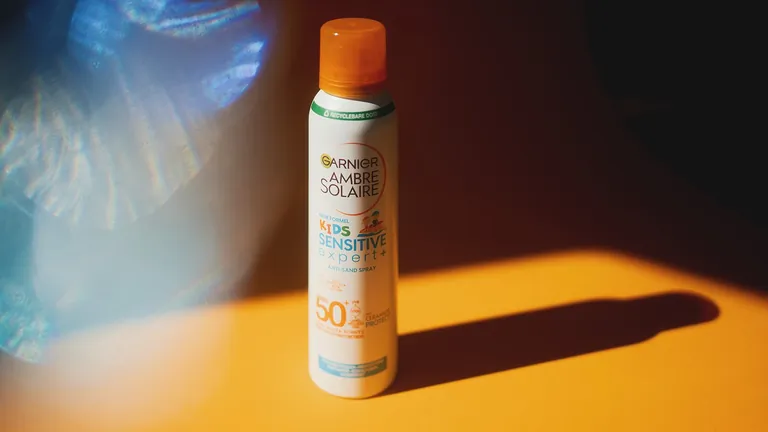
You might know the song "Sunscreen" by Baz Luhrmann. It begins with the words "If I could offer you only one tip for the future, sunscreen would be it." And even though the song is from 1997, it feels more relevant to me than ever.
Read More ›
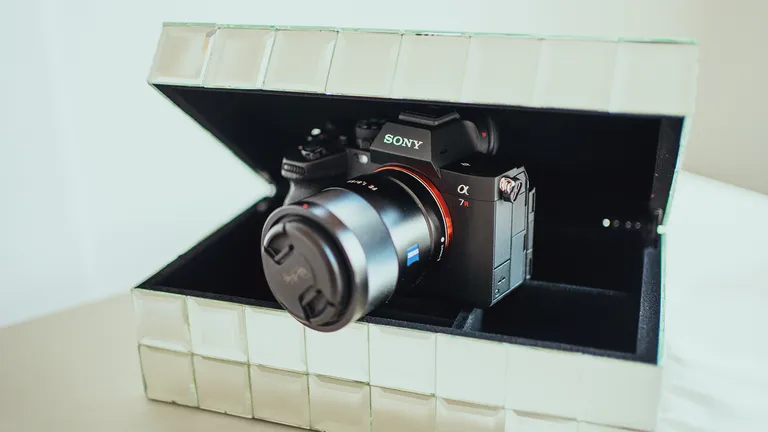
There's a new camera on my desk. A Sony a7R V. The Five, you read that right, not the Six that's been passed around the trade press for months like an unusually attractive newborn. A deliberate decision. I'm happy to explain it, if only because it took me a while to arrive at it myself.
I'm watching a documentary about the male gaze in media. I should be interested — as someone who works with visual language daily and considers myself a feminist, this topic should grab me. Instead, after twenty minutes, I'm sitting in front of the screen wondering if I've just witnessed an intellectual crash landing.
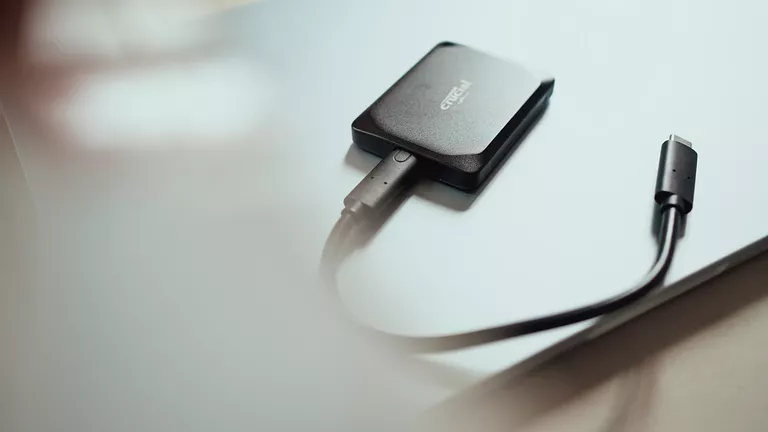
The computer doesn't see the drive. Different port, different cable, different computer, same nothing. I've praised Crucial's drives here on the blog, and now one of them, of all things, was suddenly dead. Just like that. An X10 Pro from November 2023, the more expensive Pro model.
You already know the calendar. Tradition demands it, so I'm writing a few lines about each page again. What's behind it, how it came about, what I had in mind.
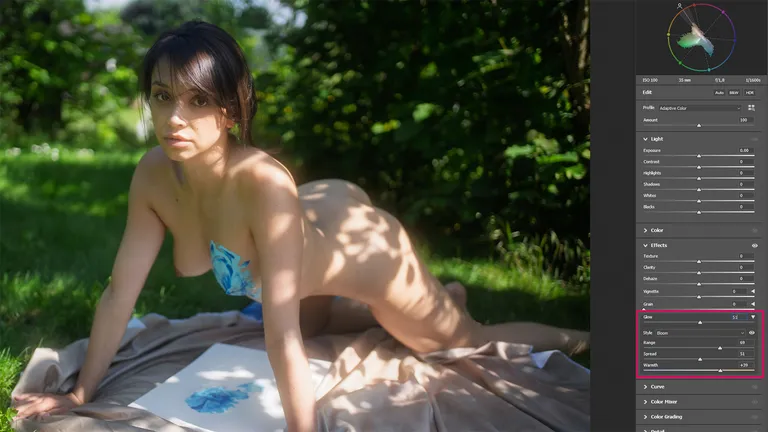
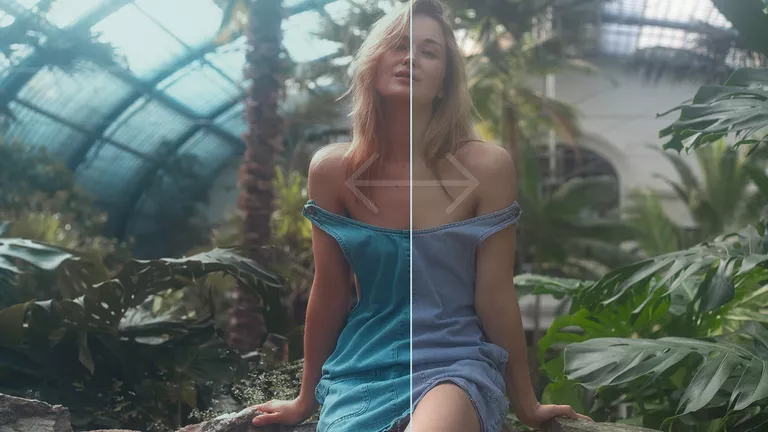
For a few years now I've had a mild diffusion filter sitting on my lenses. Nothing as dramatic as Vaseline on the front element, just a nuance, enough that the images lose their digital hardness. Sensors are mercilessly precise, but precision alone has never made a photograph more beautiful. A little softness in the light, a little bleed in the highlights, and a shot suddenly feels more organic.
Last week, I found myself facing that familiar dilemma once again. A new model, talented and beautiful, but with a strange tension whenever the word "sexy" came up. "It sounds so… objectifying," she said, making a face as if I'd suggested she wrap herself in plastic wrap.
67 images in the pre-selection. Sounds manageable. Pick the best 13, send them to print, done. Anyone who thinks that has never made a calendar. Or at least not one they actually care about.
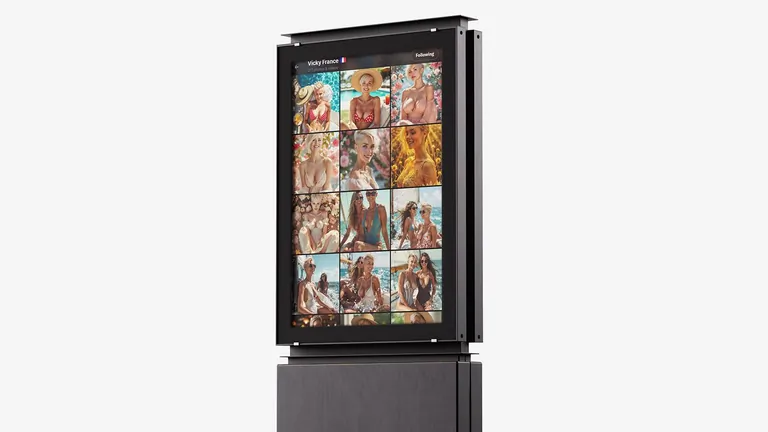
By now, it's no secret. There are various AI tools that can consistently (or at least somewhat consistently) generate characters. While that sounds technical, it really is. But the results are astounding.
Glamorous location, perfect light, great model — and a neck that feels like after a night on concrete pillows. The reality behind the pictures is sometimes one big cramp. Literally.
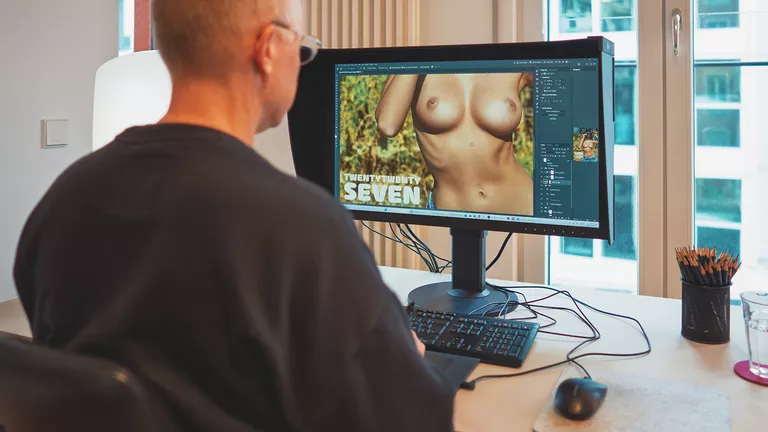
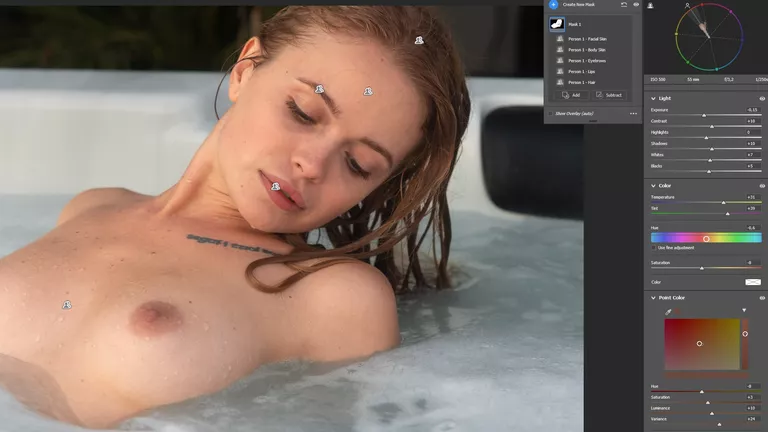
Ever since the Vectorscope showed up in Photoshop, I've been turning it this way and that, asking myself an uncomfortable question: when do I actually need this thing? Hand on heart, my eye tells me pretty reliably whether a skin tone looks good. Subjectively, of course. But beauty isn't a coordinate.
I'm sitting over last year's shipping list and realizing I've officially become a security risk to the European packaging market. Twenty-three orders, spread across nine countries. Six to Belgium, five to the Netherlands, the rest scattered across the map like crumbs. For each of these countries, I'm now supposed to have a notarized authorized representative before I'm even allowed to send a single package.
You fall in love with your own pictures. That's normal, maybe even necessary. After all, you know the creative process, you know exactly why a photo turned out the way it did. There was this harsh backlight and not a shred of shade anywhere. Or it was cold, truly cold, and you were just glad to come home with anything usable at all. The image reminds you of your triumph over difficult conditions. The fact that, objectively speaking, it might not look all that triumphant doesn't occur to you.
Color is at the heart of everything I do in photography. Black and white was never my thing, other photographers do it better. I love color, all of it. I studied it so intensively in school that I eventually realized something: I don't have a favorite color. That might sound like an excuse, but it's really just the result of too many hours staring at color charts.
It began with a single word. "Me." Then the next one, and another, until my inbox looked like an entire class of schoolkids had thrown up their hands without waiting for the question. I'd put out a model call for a shoot on Fuerteventura, and back came a barrage of two letters.
Last week, someone introduced me at an event as a "content creator." I had to pause for a moment to consider whether I should be offended.
Years ago, on a long drive through Austria, the radio was playing an interview with a mindset coach. I was unusually receptive to what she had to say. It genuinely grabbed me and won me over on the spot. Ever since, I've kept a success journal.
A remarkable message landed in my inbox the other day. A portal called Projectcasting.com informed me that my "Campaign Listing" was still live and awaiting my approval of the applicants. They'd already reached out several times, they said, but didn't want to be a nuisance.
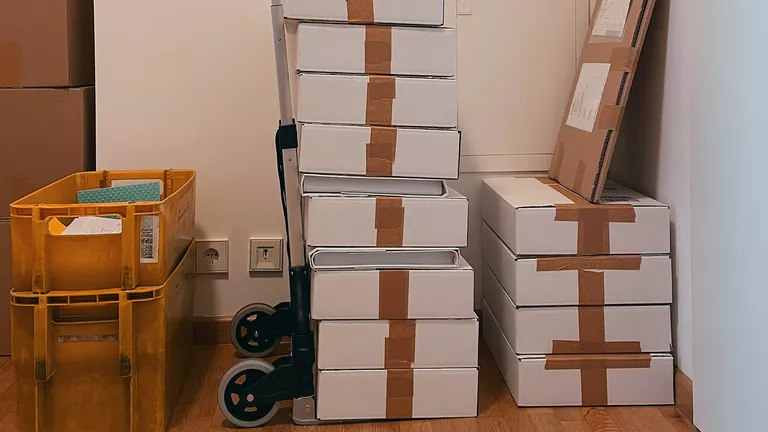
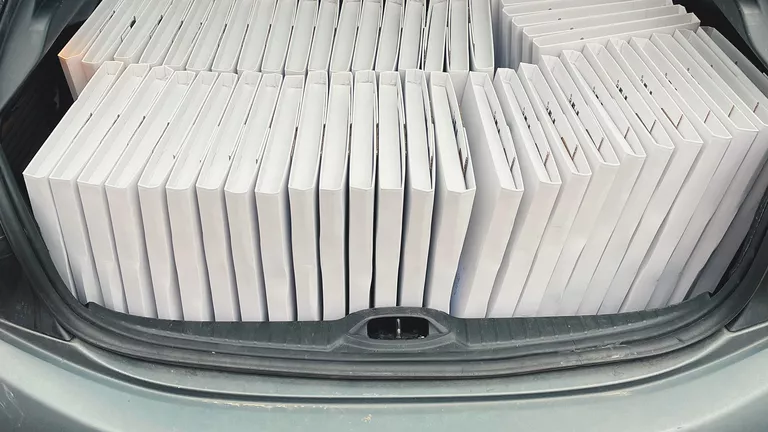
Five parcels under my arm, all the exact same size, and the woman at the supermarket checkout still reaches for her folding ruler. Each one gets measured separately, like the fifth might be hiding some piece of contraband the other four somehow weren't. At one thousand nine hundred and seventy grams, out comes the obligatory line: "Well, that's cutting it close," as if I'd tried to pass off a clothes dryer as a small parcel.
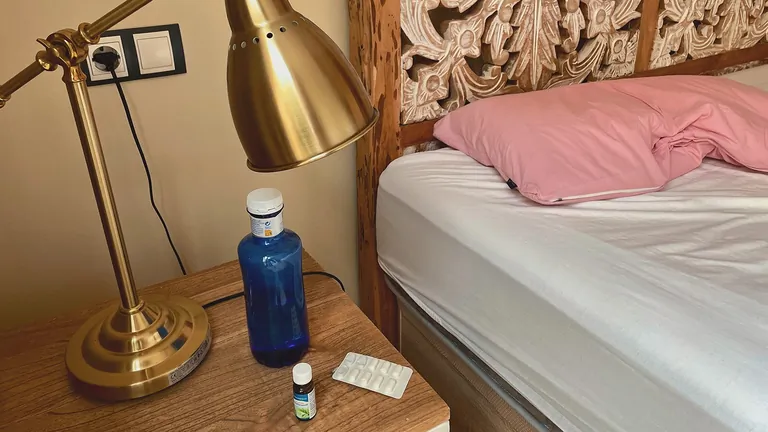
It's just after two in the morning, the thermometer reads eighty-four degrees, and I'm lying awake because I don't have air conditioning. Tropical nights sound like cocktails and a costume party on a cruise ship. In Frankfurt, they're mostly an invitation to overthink everything. So since sleep isn't happening anyway, I figure I might as well plan November.
I'm sitting on the sofa, trying not to think about the next shoot. It's an important project, so naturally my mind keeps circling back to it. To distract myself, I start doing the maths. I turned 50 this year. Dates are buzzing around my head. When exactly did I finish university? When did I seriously start doing nude photography? And what does "seriously" even mean? Well, let's say: producing work I'd still be willing to show today. Not snapshots of casual acquaintances or flings, but a real model, with real ambition.
Imagine you're an artist and your work is suddenly supposed to vanish. Not because it's bad, but because the model has had second thoughts. It's an ugly topic that nobody wants to talk about.
I stumbled across an interview with Benny Urquidez. The man invented kickboxing — which completely surprised me because I thought the sport had always existed. But that's not the point. It's about something he said about energy, and it's been haunting me ever since.
A few days ago I stumbled across an auction for one of my Sublime books, out of print since 2021. At first, a good sign. The book is apparently still in demand enough to resurface years later. Except the name printed under the photos isn't mine. Simon Boltz. That, it seems, is who I am the moment my books land on Catawiki.
Subscribe to RSS Feed


 Subscribe to RSS Feed