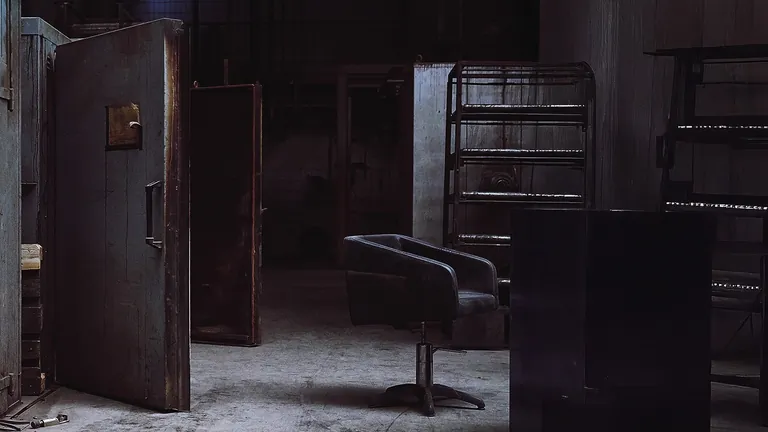
Recently, I stood in the Museum of Modern Art in front of a photograph by Thomas Demand. Office chairs, desks, papers — about as exciting as waiting at the registry office, I thought at first. My gaze was already wandering to the door and the promising museum shop beyond, when I read the description more out of a sense of duty than interest. And then it hit me like a bolt of lightning.
Read More ›
I prefer working with natural light. Always. Everywhere. It's my religion. But the weather? The weather is an atheist and couldn't care less about my faith.
I'd barely gotten back from Tenerife when the doorbell rang. And then again, immediately. The DHL driver was clearly not the patient type. Neither am I, to be fair, but I'd just survived a long-haul flight.
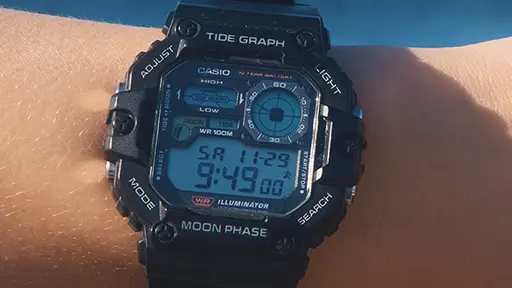
Sometimes you buy a watch because it looks like a James Bond gadget from the eighties. Black plastic, lots of tiny buttons, mysterious symbols on the display — and then that one function that makes you giggle like a twelve-year-old: tide prediction. After a trip to El Cotillo, I know: It's about two hours off, but for a rough overview, it's perfectly fine.
As a photographer, I dream of large images. Of photos that can breathe. But then the layout department chimes in, and suddenly my photographic masterpiece must be forced into a corset that doesn't match its natural form at all.
Yesterday, I caught myself clicking on a green area with my mouse. Again and again. Not because I'd discovered some new image editing trend, but because I wanted to get to the bottom of my reaction time. The result? Sobering. 310 milliseconds on average, with an upward tendency.
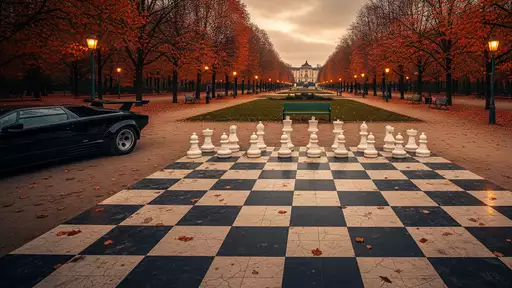
Recently, I stared at an image for ten minutes. Ten minutes in which I dissected every detail like a pathologist during an autopsy: The rows of trees with their accurate autumn colors. The weathered chessboard with cracked joints between the tiles. The warm yellow street lamps and their light reflections on the chessboard to the right. And the extremely flat, black Lamborghini Countach at the left edge of the frame. I couldn't tell whether it was a photo or AI.
Christmas is the season of giving. In recent years, I've always given you a recipe for a festive drink — little liquid companions to sweeten the end of the year. This year I thought: How about something that doesn't lead to headaches? (At least not directly.)
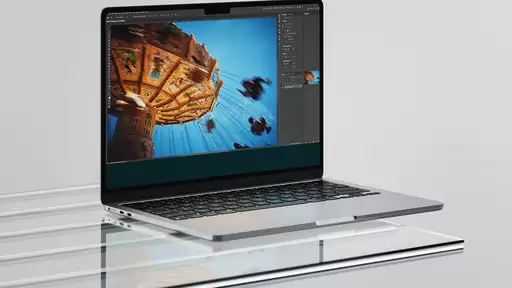
That moment when you open the program you've been working with for 30 years and find yourself wondering: What have they gone and done now?
There you stand with your high-end camera at a dreamy location. The model is beaming and the light is divine. Yet at the end of the day, you're missing the accompanying video footage once again. My clients regularly ask for it, and there I stand like a first-grader who forgot his lunchbox.
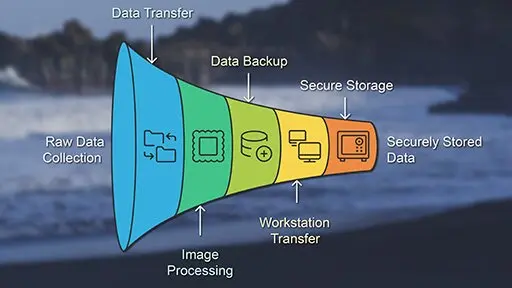
One might think the work is done after the photoshoot. Models and clients are satisfied, the pictures are in the bag. What else could there be? Well, if only it were that simple. Because now begins the part of my work that hardly anyone gets to see. An odyssey of data security, driven by a healthy dose of paranoia and years of experience with the pitfalls of technology.
While we're still arguing about the latest AI image generators, Google has pulled its "Nano Banana" out of the hat. And I have to admit: this thing caught me completely off guard.
Ah, the Grande Nation and its loving relationship with the English language! There you are, a German photographer in 2025, standing on a picturesque beach in Fuerteventura. You've nurtured your school English for years, can distinguish between aperture and shutter speed and look forward to international communication — and then she strolls up, the French beauty, looking at you as if you'd just suggested serving camembert with pineapple.
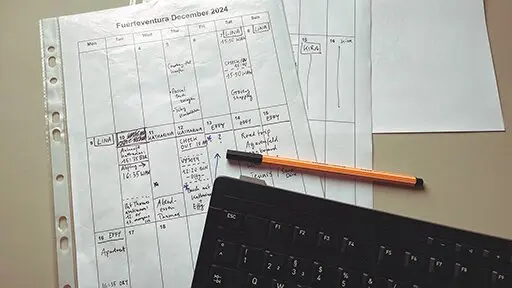
How a bit of paper creates more creative freedom and why it has nothing to do with being a control freak. Find a small helper for your own productions in this article.
Do you know that feeling? You're editing a video of a refreshing interview and suddenly realize: Oops, 10 minutes of talking head. The viewer will fall asleep! Welcome to the wonderful world of B-Roll, or as I call it: The cinematic sauce that makes every interview truly delicious.
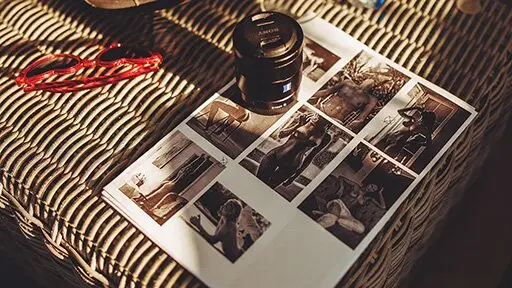
We've all been there: A photo shoot is coming up, and you need to quickly print some inspiring reference images. Not as rigid templates to copy — that would be boring — but as visual cues. A small mood board, if you will, to help break through creative blocks when ideas run dry.
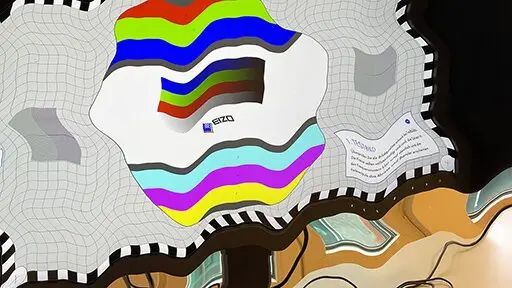
This morning I was staring at my Eizo ColorEdge screen, wrestling with color calibration. You might know this: You look at the same photo in different programs and suddenly it looks different everywhere. My lab prints in sRGB, so it shouldn't really be rocket science to set things up, I figured.
You barely open your phone in the morning before you're hit with the usual headlines. "AI revolutionizes photography," "Photographers on the brink," "Artificial intelligence makes humans obsolete." Oh, right. Here we go again.
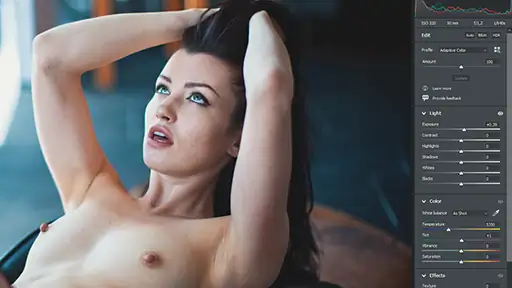
You know the drill: You're sitting at your computer, your coffee's gone cold, and the RAW files from your last shoot are staring at you accusingly. Quick processing session? Yeah, right. What usually follows is the grand fumbling with exposure sliders, the shadows-highlights dance, and that eternal question: "Was the light really that brutal, or am I just incompetent?"
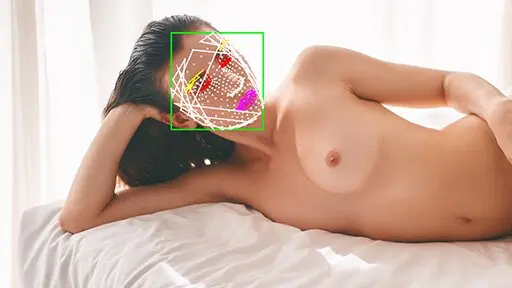
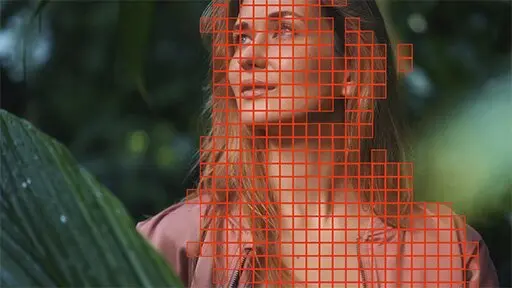
Last week I was at an outdoor photo shoot. The model wore sunglasses, which looked cool and added variety to the session. But my camera was confused: no autofocus on the eyes possible. This got me thinking: How do machines actually recognize faces?
The days when humans decided on the appropriateness of images are long gone. Today, algorithms scan our photos for every square centimeter of skin. And it's frighteningly simple, as I'll show you in this article.
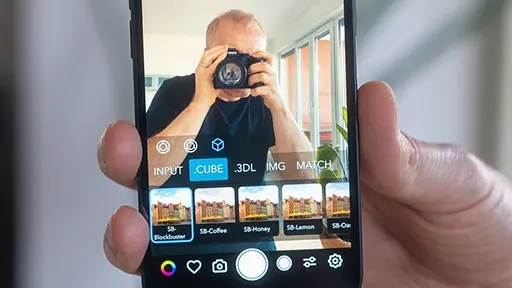
Sometimes you have to wonder why the most obvious solutions take so long to arrive. Recently, I discussed in a blog article how fantastic it would be if digital cameras had built-in LUTs. That is, the ability to select and see a specific look directly while taking photos. And all along, the answer was sitting right in my pocket.
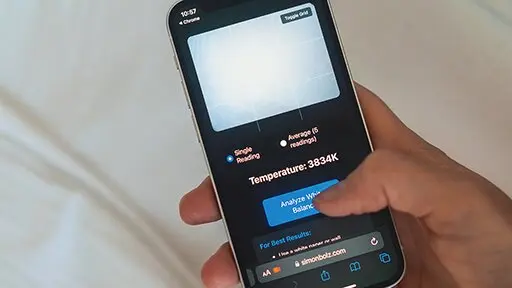
Imagine being able to measure the temperature of something that has no temperature. Something we see every day but can never touch. That's exactly what we do when we measure the temperature of light.
Changing the white balance in post-processing on the computer is very easy, provided you don't have mixed light sources with different color temperatures. Otherwise, it will be disgusting and no fun at all. That's why it's helpful to determine the correct white balance on site.
Subscribe to RSS Feed









 Subscribe to RSS Feed