The EU has decided that we'll soon need to label images when they've been created or edited with AI. Starting August 2026, it becomes mandatory. The EU AI Act aims to create transparency, prevent deception, restore trust in visual media. Sounds reasonable, right?
Read More ›
A model with a perfect figure, flawless makeup, and an off-the-rack hairstyle — I experience this situation more often than I'd like. Yet hair isn't just a decorative accessory, but rather the strongest ally in front of the camera.
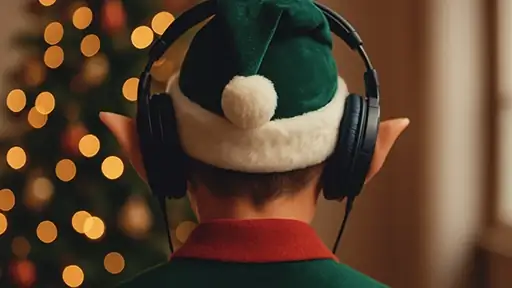
Christmas is the season of giving. In recent years, I've always given you a recipe for a festive drink — little liquid companions to sweeten the end of the year. This year I thought: How about something that doesn't lead to headaches? (At least not directly.)
I know this article won't interest everyone. If you're here purely for photography, feel free to skip ahead. But over the past few weeks I've been tinkering so much with my website that I wanted to share a few thoughts about it. Not to pat myself on the back, but because I keep getting questions about it.
The email hits my inbox like a sledgehammer: "Your images have been discovered on a Russian website." Without permission, without credit, without any respect for creative work. Once again. You'd think I would have gotten used to it by now, but this digital vandalism affects me every single time.
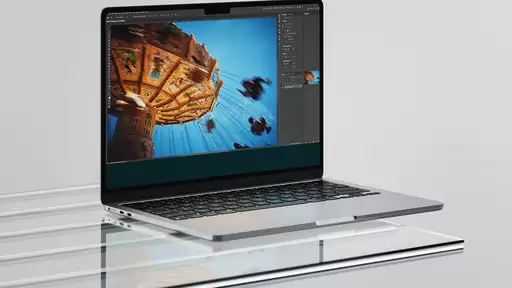
That moment when you open the program you've been working with for 30 years and find yourself wondering: What have they gone and done now?
When I was flipping through my work from the past few years I had to smile. There it was again, this unmistakable style in my pictures. Like a red thread, it weaves through my portfolio, without me ever consciously searching for it. Sometimes I'm amazed how distinct my signature has become. I probably couldn't even publish my images under a pseudonym without being immediately discovered.
Recently at Frankfurt Airport. A group of Asian tourists catches my eye, their faces as white as a sheet of copy paper. Even for me, as a chronically pale person, it's a surprising sight. With these Asian women, it seems to be no genetic coincidence, but rather a system executed with absolute precision.
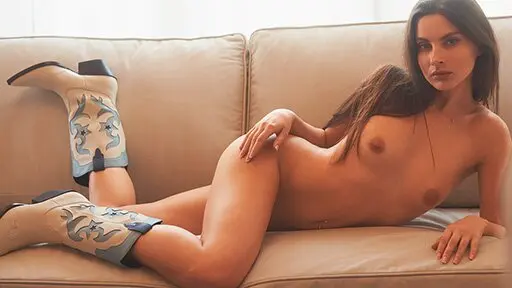
Have you experienced this? You're sitting on the subway, and across from you sits an attractive woman. She's wearing boots that look excellent on her. In the past, you would have simply said: "Great boots!' In today's woke era, you risk a public backlash for "male harassment".
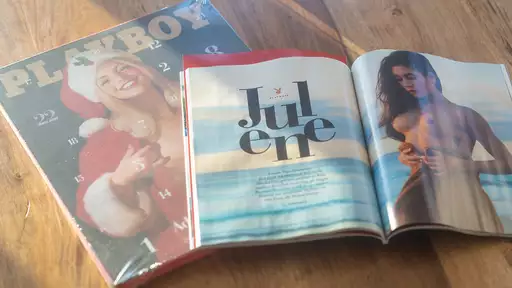
I'll be honest, I was a bit offended when someone recently asked me if I even still shoot for Playboy. Yes, of course I do. I'm just not the go-to photographer who appears in every single issue. Sometimes it's months between shoots, sometimes a year. That's just how it is.
It started innocently enough. I was scrolling through my own blog, just looking for an old article about pornography, when my eye caught on those little flag emojis. Those pixelated scraps that look like bunting at a German-American friendship festival.
There you stand with your high-end camera at a dreamy location. The model is beaming and the light is divine. Yet at the end of the day, you're missing the accompanying video footage once again. My clients regularly ask for it, and there I stand like a first-grader who forgot his lunchbox.
I just got deleted by Google. Not because of dubious content, but because an artificial intelligence claimed that a particular OnlyFans creator appeared on my website. A woman I neither know nor have ever photographed. The AI confused two completely different people and turned it into a DMCA claim.
The news from the film industry came as a surprise: The new Bob Dylan film "A Complete Unknown" was shot at ISO 12,800. What might sound like a technical gamble to many was a welcome validation for me as a photographer.
A baker bakes rolls every day. I sometimes don't touch my camera for weeks. And every single time, there's that gnawing guilt: Shouldn't I be producing daily too, like a proper craftsman? Spoiler: No.
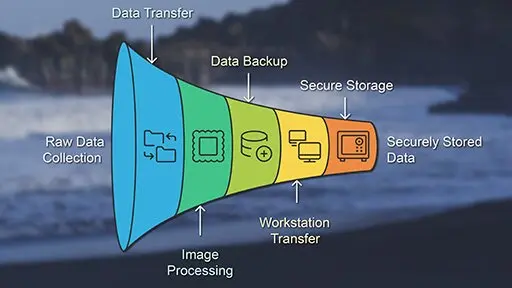
One might think the work is done after the photoshoot. Models and clients are satisfied, the pictures are in the bag. What else could there be? Well, if only it were that simple. Because now begins the part of my work that hardly anyone gets to see. An odyssey of data security, driven by a healthy dose of paranoia and years of experience with the pitfalls of technology.
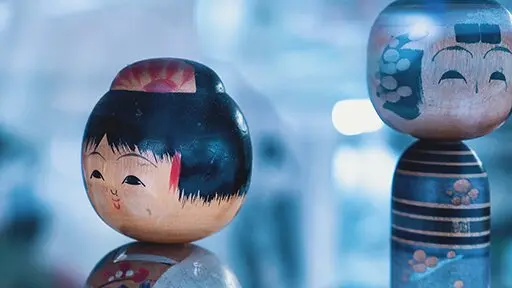
Sometimes you just have to do something crazy. So there I was, standing in this little stationery shop, one of those special places that looks like it's from another era. Japanese envelopes everywhere, handmade papers, binding threads in every conceivable color. A paradise for anyone who loves tactile experiences.
Recently at a shoot, I had to smile again. "Can my boyfriend be there?" the model asked me on the phone. Of course he can, but I already knew what would happen. After twenty minutes, she would be more focused on reading his reactions than following my directions.
While we're still arguing about the latest AI image generators, Google has pulled its "Nano Banana" out of the hat. And I have to admit: this thing caught me completely off guard.
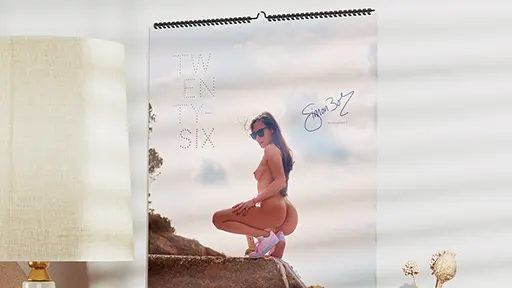
Sometimes I wonder if I'm the last of the Mohicans. I've been producing my nude calendar every year since 2009, while all around me the moral fingers point ever higher. A photographic relic from a time when one could still celebrate the beauty of the naked body without worry. Am I a dinosaur? Perhaps. But one that refuses to go extinct.
Recently at the airport. I'm standing in line for security and watching a man in front of me desperately trying to repack his suitcase. "The power bank must go in the carry-on," says the security officer with the sternness of an elementary school teacher explaining for the fifth time that two plus two equals four.
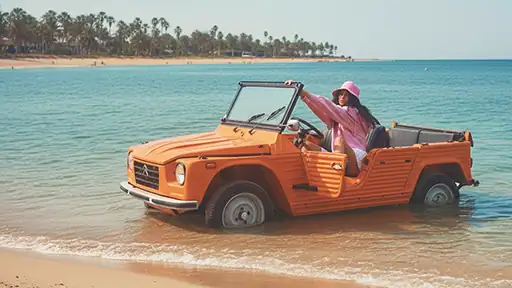
You know how it is: by the end of November, Frankfurt is down for the count. Gray skies, the first slushy snow, and just thinking about the heating bill puts you in a foul mood. While others retreat into seasonal depression and mulled wine, I pack my camera gear and disappear to the Canary Islands. From November 27th to December 12th, I transform northern Fuerteventura into my personal outdoor studio.
Ah, the Grande Nation and its loving relationship with the English language! There you are, a German photographer in 2025, standing on a picturesque beach in Fuerteventura. You've nurtured your school English for years, can distinguish between aperture and shutter speed and look forward to international communication — and then she strolls up, the French beauty, looking at you as if you'd just suggested serving camembert with pineapple.
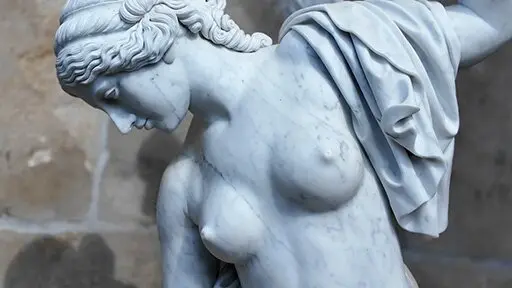
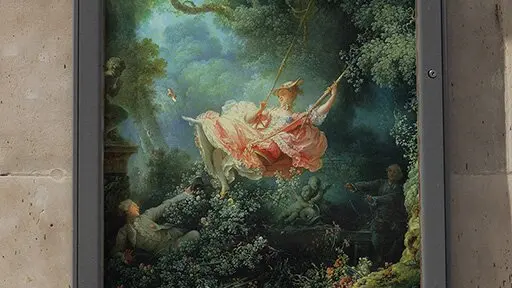
There are these moments in art history that make us blush today. Not because we've become prudish — quite the contrary. We blush because we feel caught in the act. As if our ancestors had caught us peeping through a keyhole.
Subscribe to RSS Feed




 Subscribe to RSS Feed