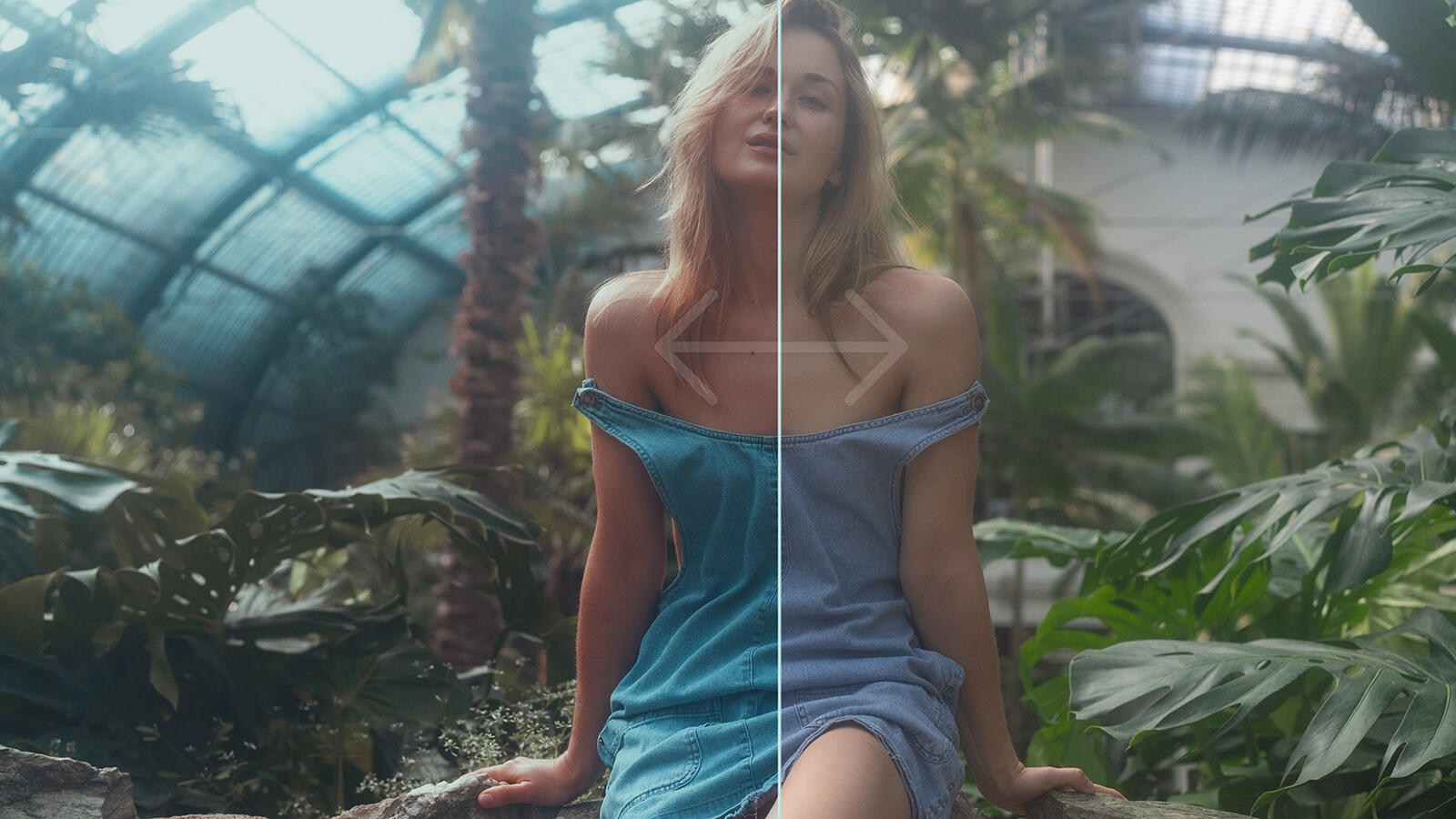
And yet my photos aren't a rainbow. The spectrum I actually use is much narrower than you'd expect from someone who loves color this much. Over the past few months, as I dug back into color grading, I went through roughly fifty of my photo series and picked them apart. Shots in overcast weather, under clear skies and sunshine, in midday sun, in evening light. Interior shots, with flash, without flash, in flat light. Situations that could hardly be more different from one another.
And still: the color spectrum stays remarkably consistent. Reds and yellows dominate, along with orange and earthy brown. Add green from plants, blue from sky or water. And plenty of what we'd call gray, even though technically it's just variations of the colors already mentioned.
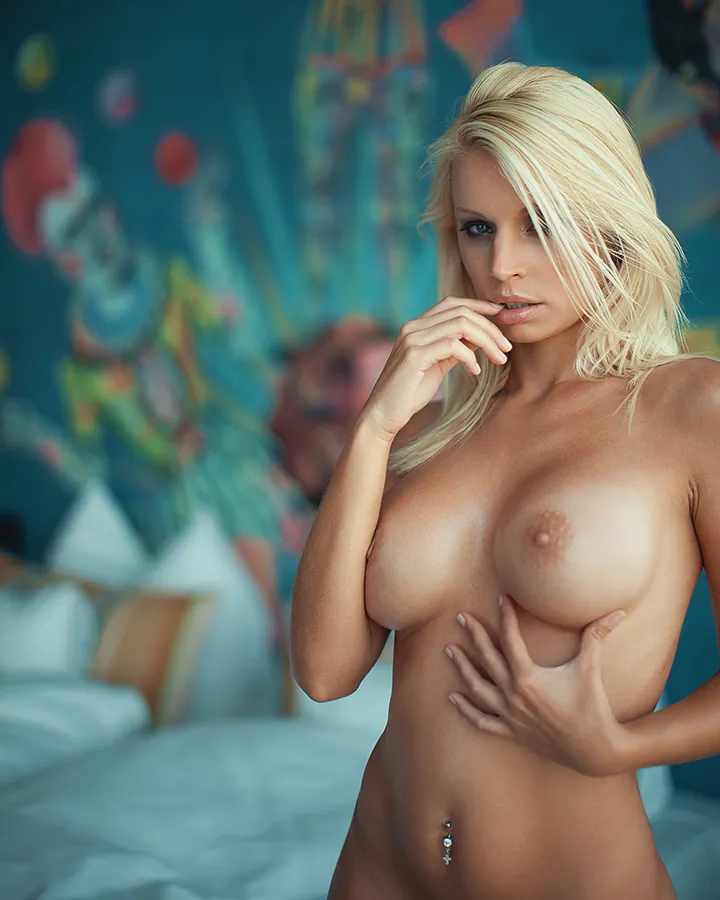
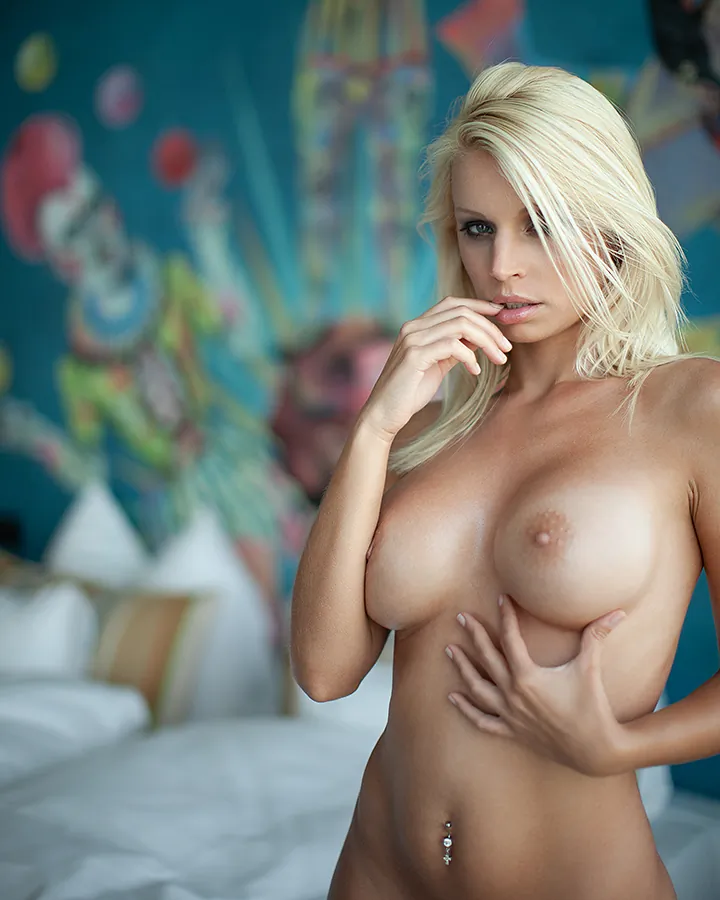
These colors read differently every time, depending on where I shot, what time of day it was, what the weather was like. Color carries feeling. It stirs emotion, builds memory. A lot of what I'm after is a cinematic quality, and that's no accident. Movie theaters used to be the only place where someone actually put real effort into wowing us with color, back when the sheer size of the screen already had us hooked. That shaped me more than I realized for a long time.
Maybe that's why I started looking into how color grading actually works in big-budget film back in 2019, and that's how I discovered LUTs. Ever since, it's been an open secret that I use them to put the finishing touch on my photo series.
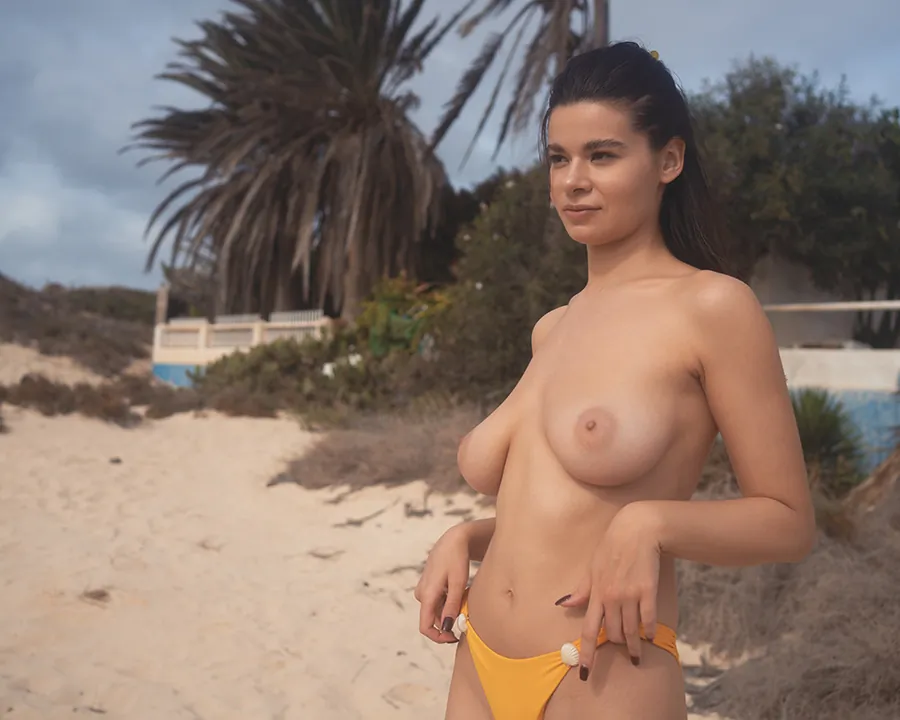
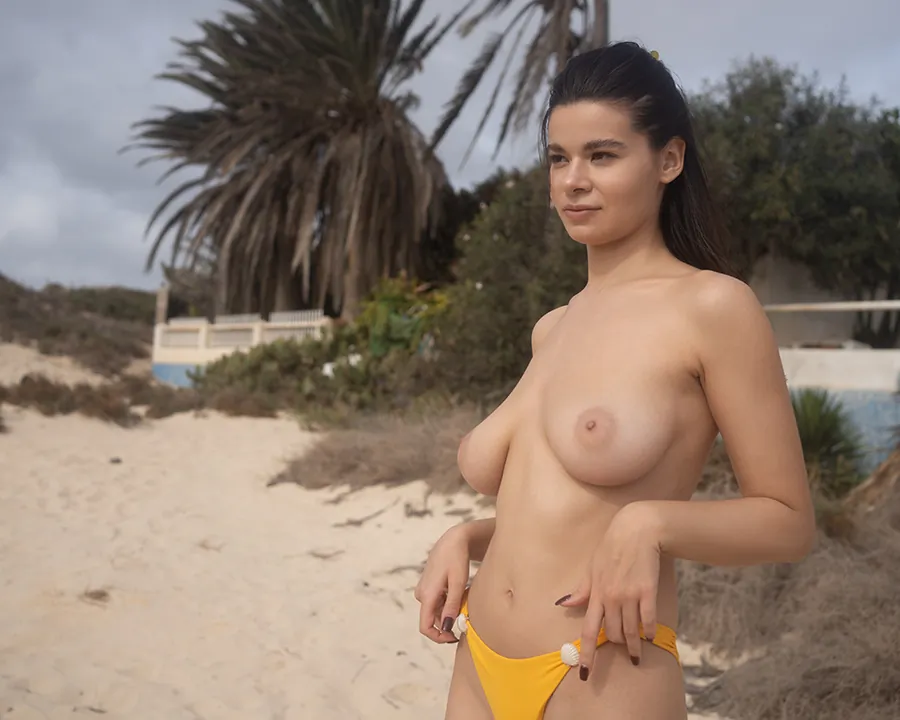
The reason is simple. Turning dials by hand tends to land you in roughly the same place after enough hours anyway. When I'm working purely on gut feeling, leaning back and thinking the skin tones could use a bit more warmth, or the shadows could use a touch of turquoise for complementary contrast, those are decisions that can be shortcut. That's what LUTs are for.
In 2019 I made five of them. At some point I noticed I wasn't even using one of them, "SB Coffee," anymore. Instead, I'd started digging deep into films from the seventies, eighties, and nineties. Whenever something streaming caught my eye with colors that impressed me, I'd take screenshots and dissect them. Which direction was the green of the trees pushed? How saturated are the skin tones? What's happening in the shadows?
Along the way I realized I'm kind of a nerd about color. Hardly any photographer I meet gets this deep into it, which is a shame. So I figured it was time to stop keeping my secret to myself.
Twelve LUTs came out of it, packaged into four sets so you can pick them up for not much money. 19.90 euros for three LUTs, grouped by theme. You can get one set or all four.
The advantage of working with LUTs: a look is applied in seconds. If you shoot video too, you get the same look for your footage as for your photos, no profiles needed, just normally shot images and video.
Take a look at my 2026 update, the new SB LUTs, in the looks Cine Classics, Commercial, Alternative, and Signature.