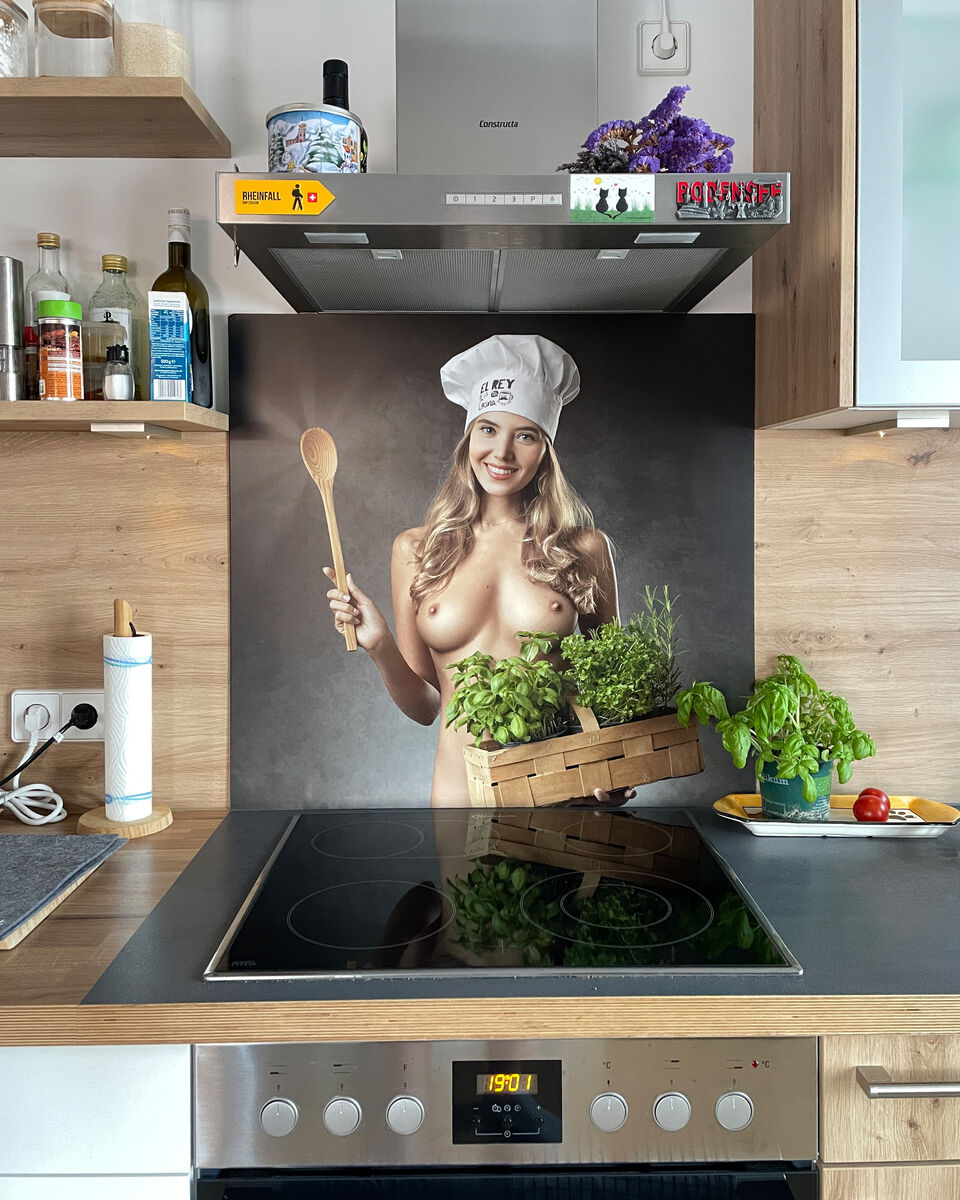
First glance into his old-building apartment: exposed timber framing, dark beams, warm light. Second glance: Katya Clover, smiling at me bare-breasted from the stovetop. A classic Soell, right there in the kitchen, as casually on display as other people's family photos.
Up a small staircase and we're standing in Germany's smallest photo studio
, as he calls it with a laugh. A fairy-tale bed the models love, just enough room for a full body shot at 75mm.
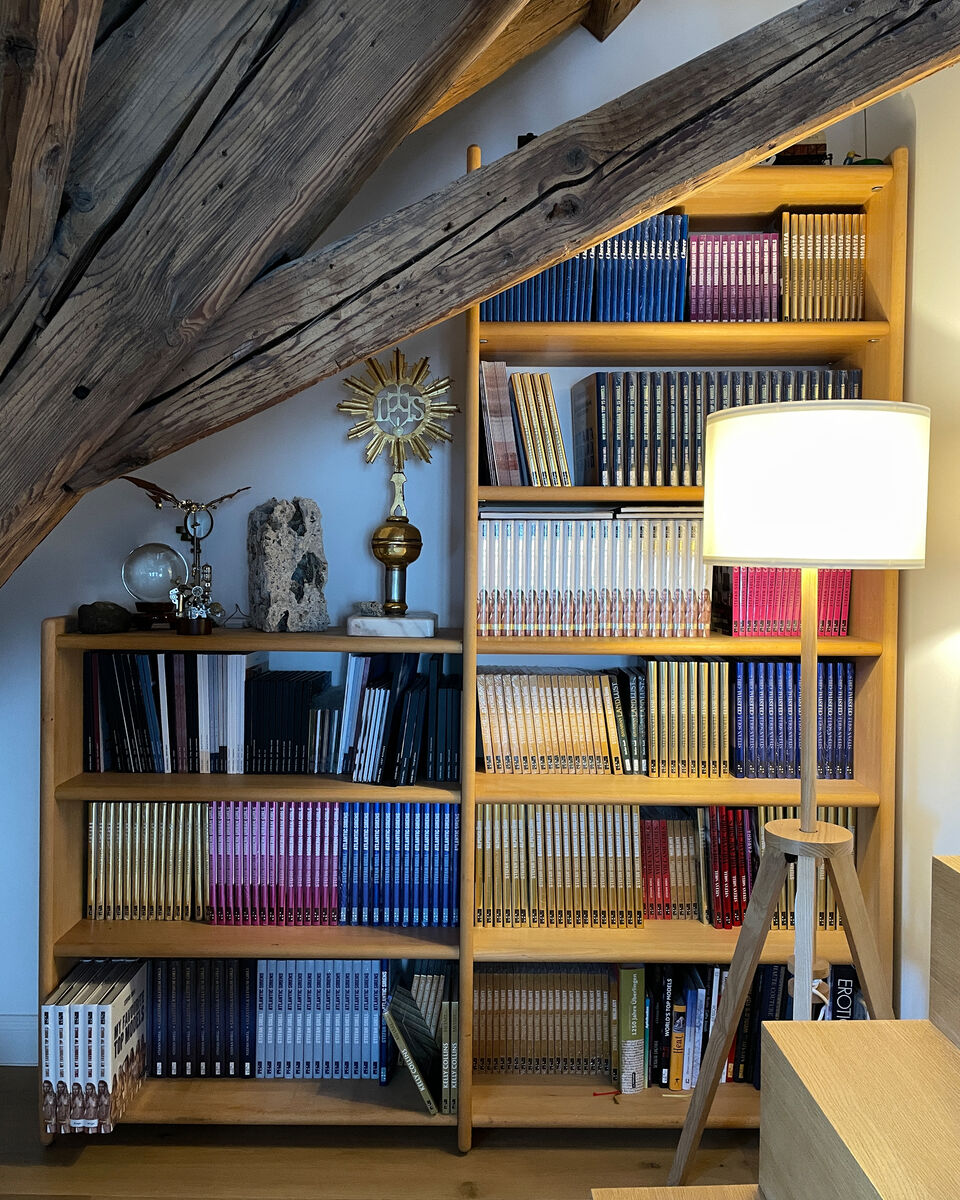
Tech talk is awful, he says right up front, and that suits me fine, because I hadn't planned on any. Instead he tells me about his beginnings. Raised in a fishing village near Friedrichshafen, at fifteen he came across the photo-romance strips in Bravo, the teen magazine, through his group of friends. He promptly staged his own Tarzan story with the girls out in nature. Never published, but the spark had jumped.
The camera came on loan from his father, who was making color prints in his own darkroom back in the sixties while young Stefan watched and learned. The school photography club kept it going, and he was so hooked he'd stay up making prints until three in the morning. Soon he was buying his own cameras at the famous Lichtensteig camera flea market in Switzerland. First 35mm, later medium format with manual focus.
I spent a quarter of my life in the darkroom.
Anyone who's had to mix chemicals, wash, fix, and rinse again for 24 exposures knows how much work that is. The switch to digital was liberation from the dungeon
, he says. Suddenly he could see photos the same day. Analog meant black and white for him. With digital, color arrived in his pictures overnight. You'd expect someone like that to romanticize the old days. He doesn't. He's too practical for that.
When I ask about role models from the photography world, he shakes his head. His inspiration comes from life. As a kid he was only allowed a little TV, so the Czech fairy-tale films that did make it through left a deep mark. Maybe he still draws on them today. When he stops at an antique dealer's or finds a prop at a flea market, the gears start turning right away.
When Stefan talks about how he works, his patience shows immediately. Close to home, around Lake Constance and in the Alpine foothills, he scouts locations at different seasons and times of day. He'll visit a waterfall three or four times before he knows how the light really falls there.
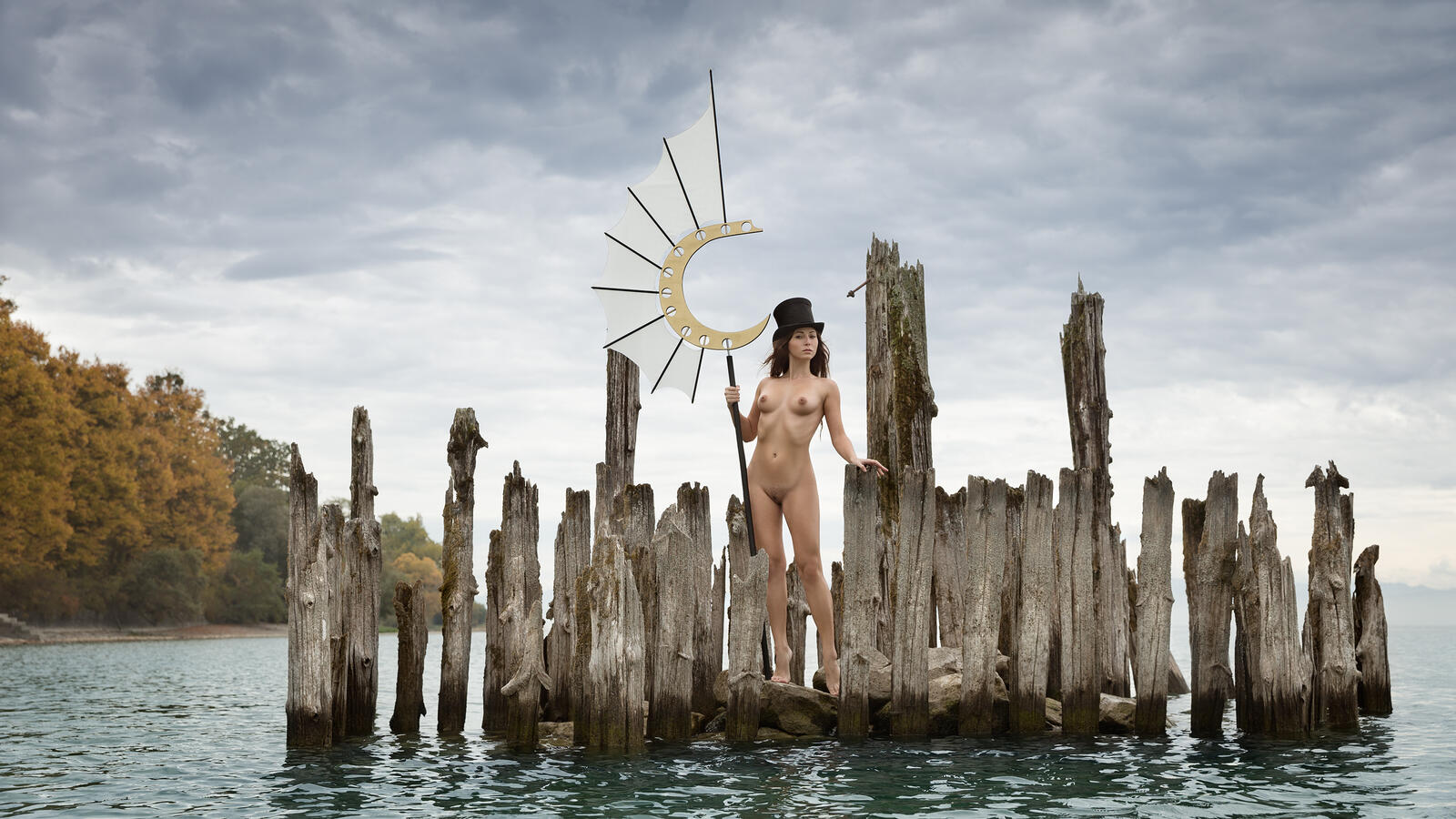
First comes the location, then the concept with the right prop, and only at the very end the model who belongs in that scene. Waterfall, torch, right model for both.
On Lanzarote, he'll sit inside the finca all day waiting for the northwest wind to bring in the cloud bands around five o'clock and slowly veil the sun. Only then does he head out. Natural light only, never direct sun, always half-light.
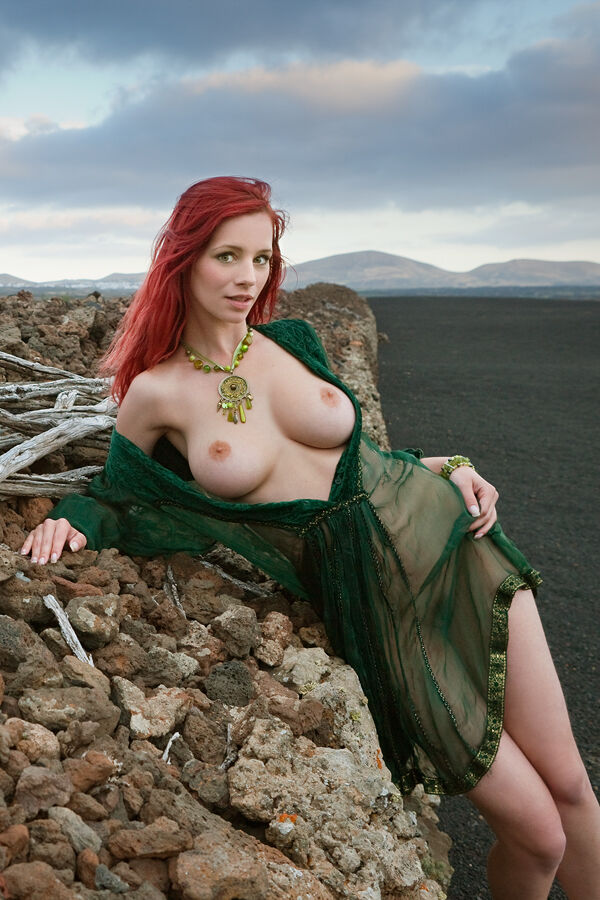
Or a sunlit mountain reflecting the light back. Warm light he could melt into
, as he puts it. If the light isn't right, he simply doesn't shoot. Sounds uncompromising. It really is.
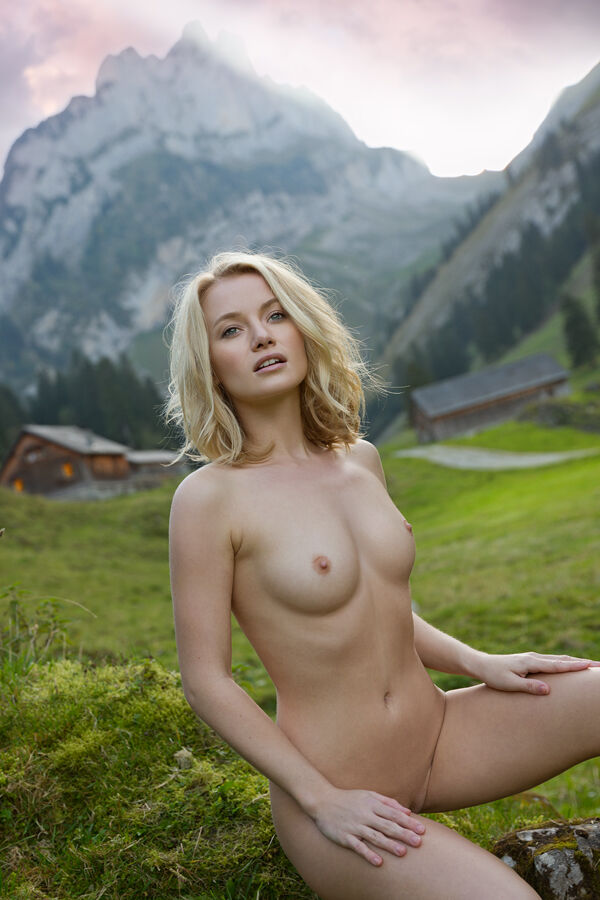
He climbed the Säntis in the Swiss Alps with Gabriella and they spent the night in the mountain hut after he photographed her post-sunset. Hiking back down the same day just wasn't an option. Stefan laughs telling me Gabriella was probably the only mountaineer ever to summit with a hair dryer and curling iron in her pack.
He doesn't photograph his models as they are, but as they exist in his head. He sculpts them, he says. They get a briefing in advance, a description of what he has in mind. They have room to move on the posing side, but he sets the story and the emotions: hands inspired by frescoes and church paintings, focus on the chin and eyes.
Props serve as fantasy triggers, homemade wings for instance, so the model has something to interact with. The shoot has to be fulfilling for both sides, and the model has to be into it. Otherwise nothing works. Never negative pictures, always a positive aura. He's after the good world, he says, and you feel it in his work.
On the subject of retouching he's relaxed, because for him it's part of the vision, logically enough. Breasts larger, but only by fifteen percent. He picks lighting that already makes them look fuller, then slightly deepens the shadows underneath in post. For that, his models sometimes have to shiver a little, so the areolas stay small and the nipples come up firm. He'll admit, self-critically, that these perfect breasts in his pictures maybe resemble each other a little too much in shape.
It polarizes people at times, and he knows it, but he wants to produce what the audience likes, and the models are familiar with his style going in. Many viewers don't even notice anything's been touched up, and that, he says, is the real hallmark of good retouching.
He'd built 23,000 followers on social media when he was deleted without warning. He's had no appetite for it since, which I find admirable. These days he finds models by reputation. Ask the other model how the shoot with me went.
The fact that a lot of women buy his books means a lot to him at sixty. Maybe they respond directly to his dreamy, romantic pictures. Or maybe it's that his photos always have faces. No torso photography.
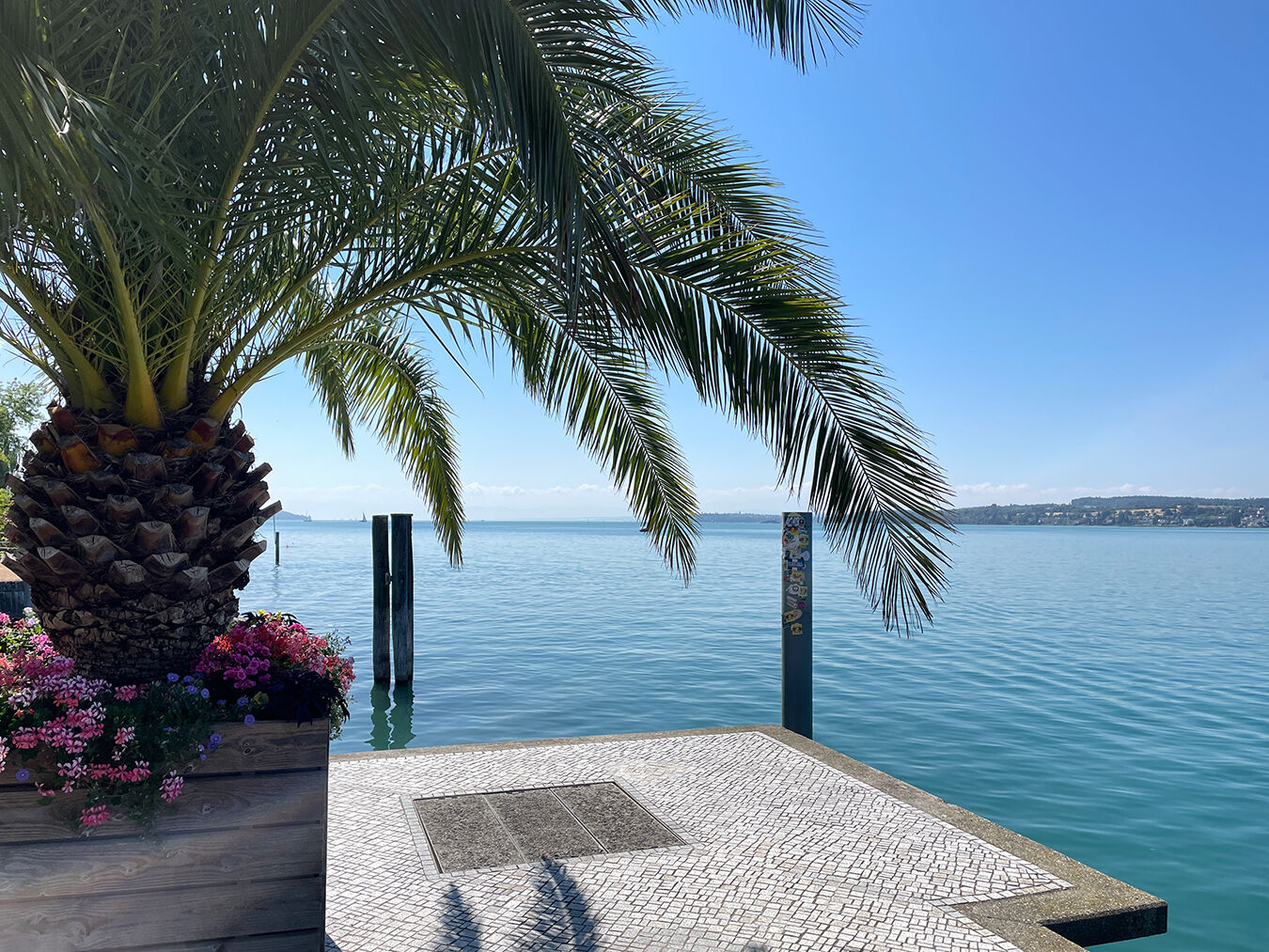
Later, walking along the shore of Lake Constance before I drive back, our conversation is still with me. It was good to talk with him about our shared passion, more open than I'd expected. Stefan and I are on a similar wavelength about a lot of things, the joy side of it, but also the suffering that drives us and sometimes wears us down. The Überlinger by choice talks a lot, but he's warm and easy with it, and he listens well. You feel comfortable around him right away, and so it's a bit of a shame I didn't ask him more. About AI and the future, or the trend of more and more models getting tattooed, which doesn't appear in his clean visual world at all. I can tell already: we'll have to meet up again.
Transparency
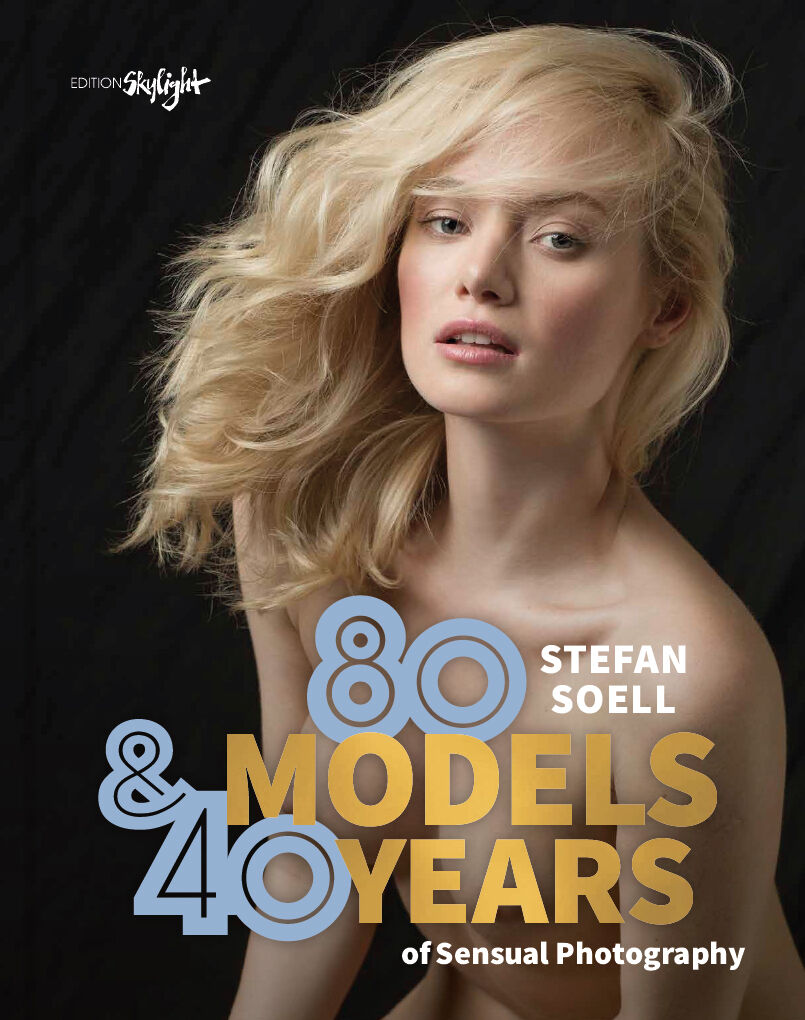
I recommended this book out of my own conviction. I received neither payment nor any other compensation for this mention.