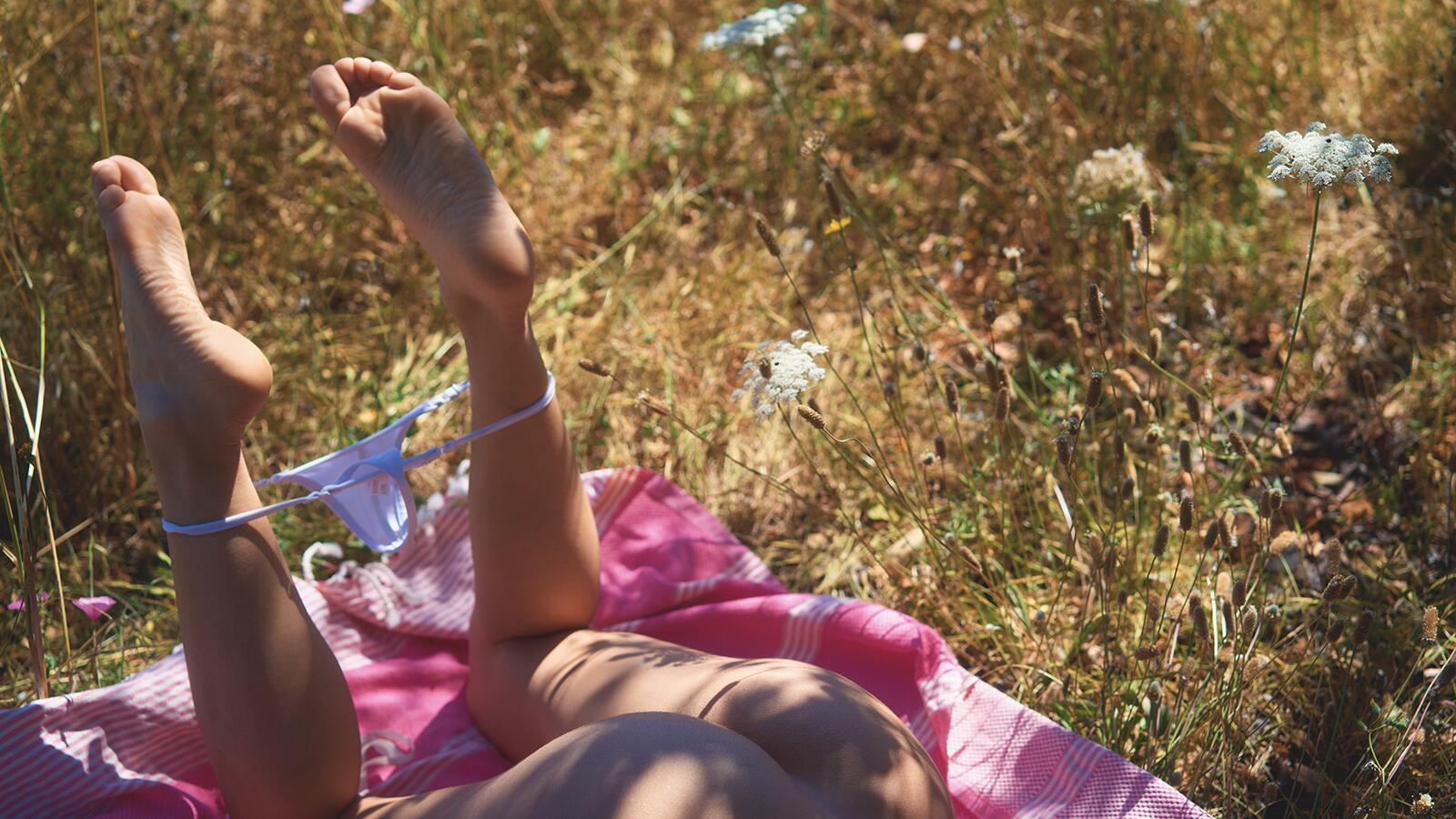
During one of my recent shoots in Ibiza, I casually picked a Wild Carrot — that pretty white umbel with its characteristic dark spot in the center. I held it in front of my lens to create a blurred foreground element. Harmless, I thought. I wasn't aware that I was handling a phototoxic plant.
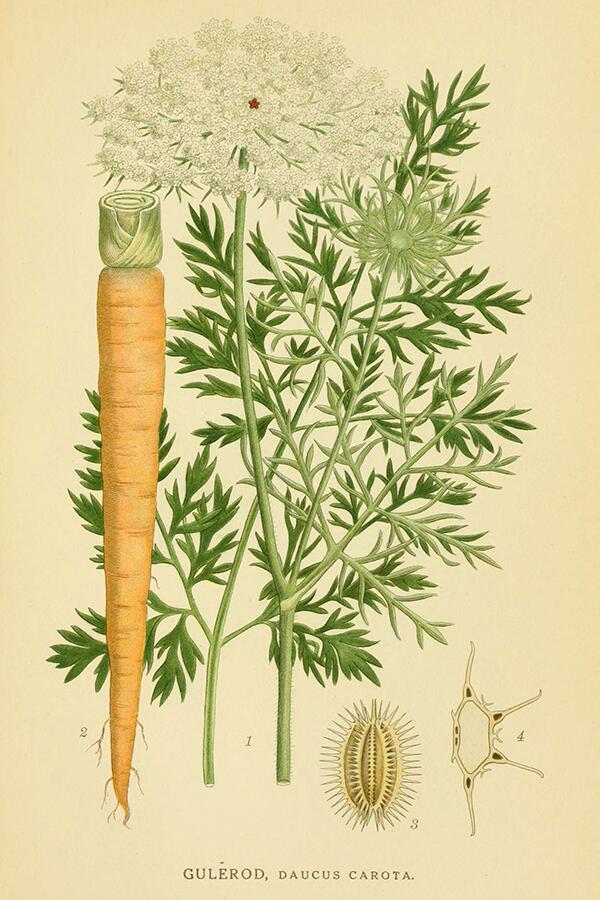
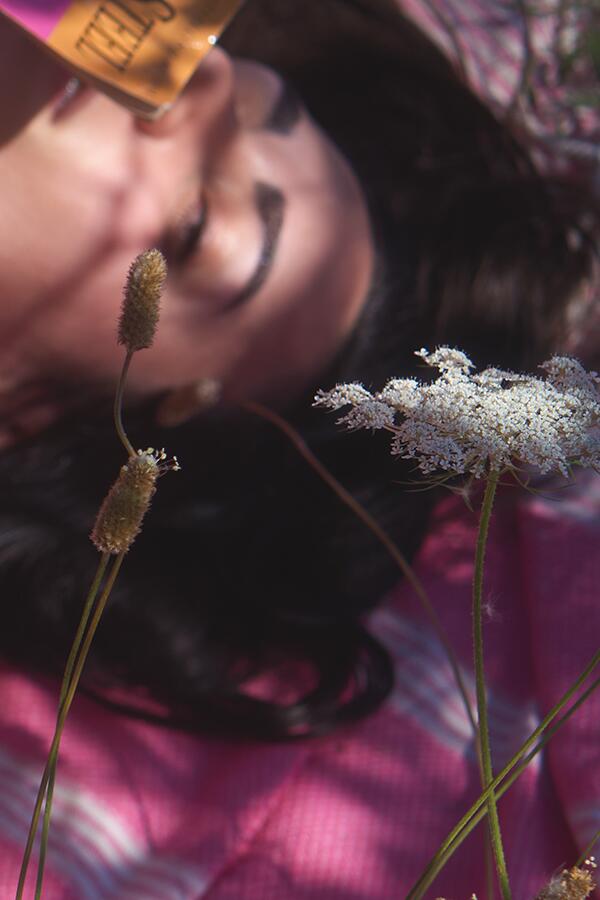
But what does "phototoxic" actually mean? The term describes a tricky characteristic of certain plants. They contain chemical compounds, mainly furocoumarins, that only develop their effect on skin when combined with UV light. A kind of natural photochemistry: plant sap plus sunlight equals skin reaction. As someone with fair skin, I'm particularly susceptible to this, though fortunately nothing happened to me.
The Wild Carrot (Daucus carota) thankfully belongs to the milder representatives of this phototoxic group. Its effect is usually moderate, though it can still be unpleasant if plant sap gets on your skin and is exposed to sunlight.
The true star in the world of phototoxic plants, however, is the Giant Hogweed (Heracleum mantegazzianum). Unlike the delicate Wild Carrot, it's a true plant monster.
It grows three to four meters tall. Its stem is thick, often as wide as a wrist or arm, covered with characteristic purple spots and bristles. The leaves are impressively large, can reach up to 1-2 meters in width, and are deeply incised. The white flower umbels reach a diameter of 30-50 cm and resemble enormous, opened umbrellas.
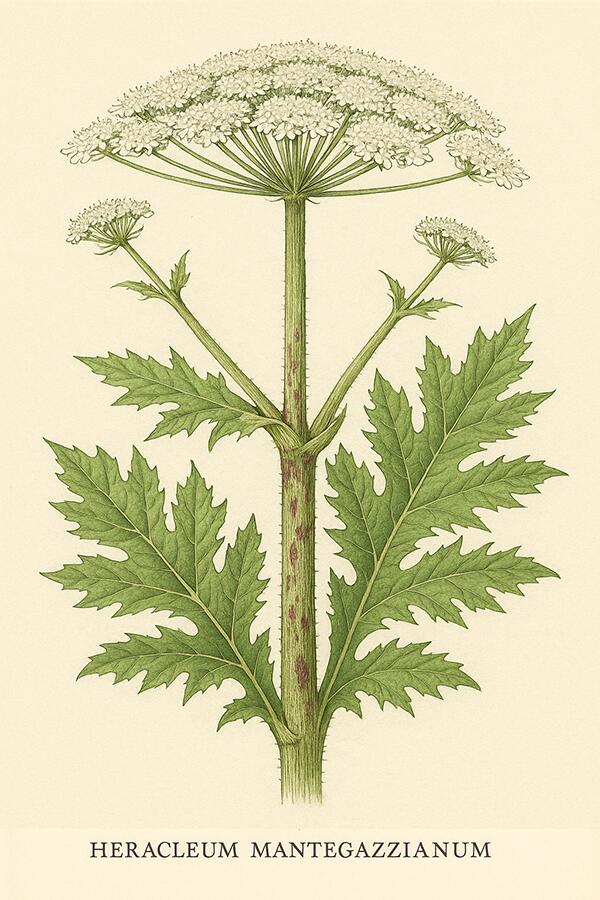
You typically find it in damp locations like stream banks, forest clearings, or on fallow land, often growing in colonies. In spring, it's one of the first to really shoot up in height, making it quite noticeable. It can easily be confused with angelica, but its more massive appearance and the characteristic red spots are good identifying features.
The dangerous thing about Giant Hogweed: its phototoxic effect is dramatically stronger than that of the Wild Carrot. The plant sap can cause severe burns that look like blisters and take several weeks to heal. Particularly insidious: sometimes the affected skin areas remain light-sensitive for years and react again with redness and inflammation when exposed to sun. Contact with the eye can lead to blindness. Practically a photographer's nightmare.
I was really stunned when I happened to read about these plants and researched it all again. When I was in Ibiza, I had no idea that plants could be so dangerous. Thankfully, nothing happened.