A black window appeared with the friendly message that searching for this term could potentially be illegal. Wait a minute. A real name, illegal?
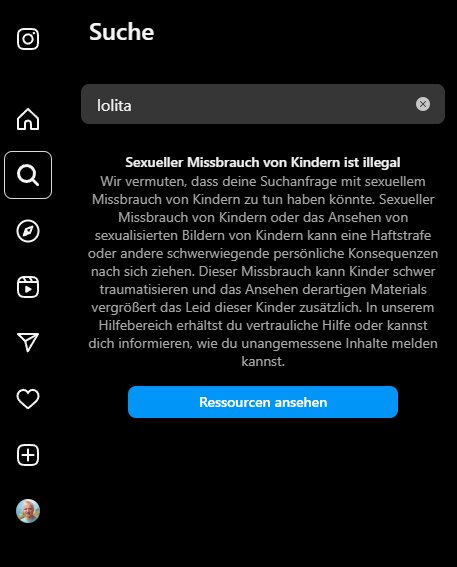
I leaned back and thought: What's going on here? An algorithm has decided that a perfectly legitimate name — which, by the way, is quite common in Spanish-speaking countries — cannot be searched for. Why? Because of a novel from the 1950s that I personally found rather boring.
Yes, you read that correctly. I've actually read "Lolita" by Vladimir Nabokov. I was curious about what this legendary scandalous novel was all about. And what can I say? I was disappointed. All that linguistic brilliance that literary critics rave about? Somehow went over my head. Maybe it was the German translation. Or maybe it's because I'm simply not the type for convoluted sentences and moral ambiguities. I'd rather take photographs than read 300 pages about the psyche of a questionable protagonist.
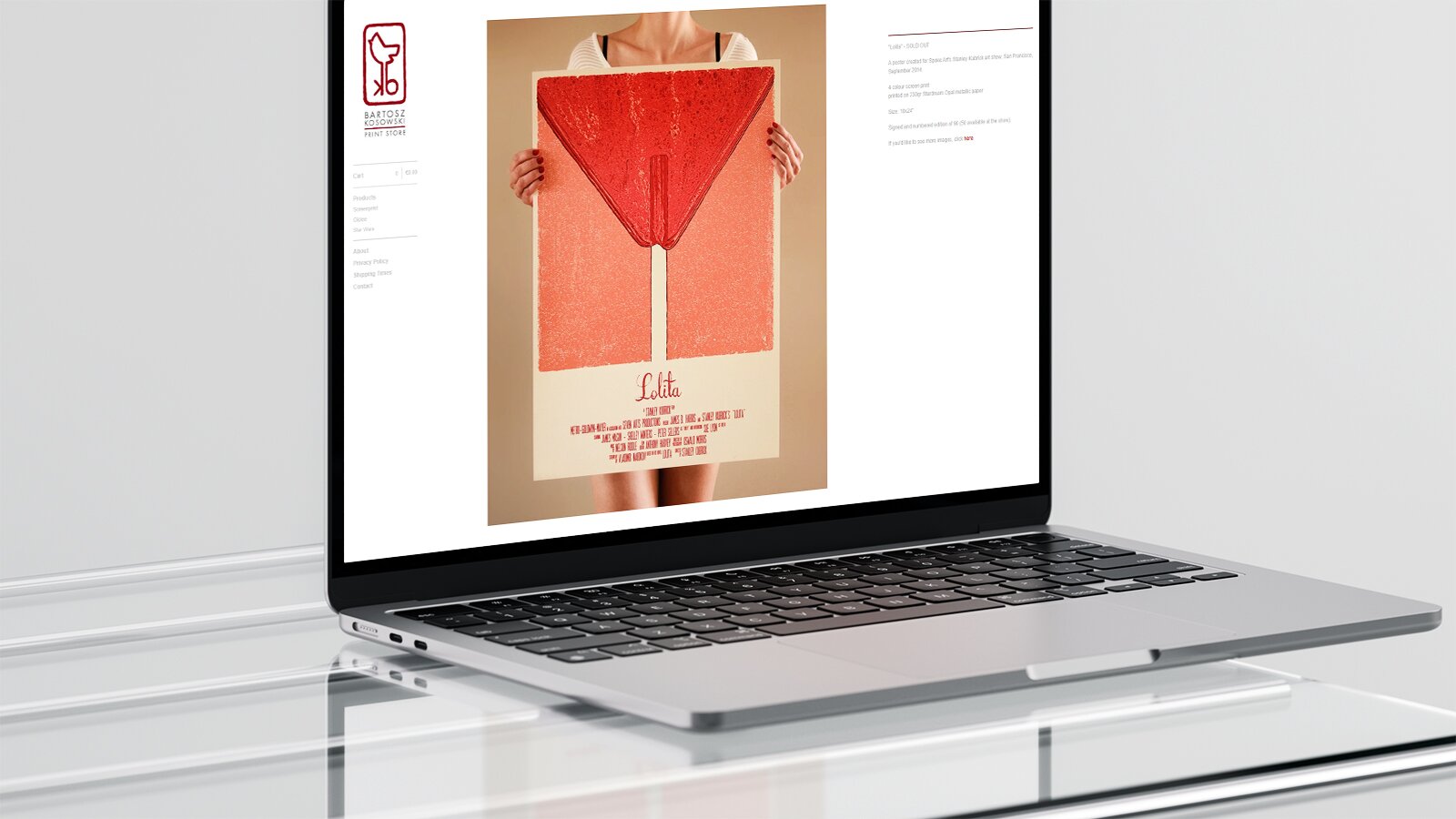
What truly fascinates me is the cultural momentum this name has developed. There's the iconic movie poster for Kubrick's film adaptation. With heart-shaped sunglasses and a lollipop. And even better, the art poster by Polish illustrator Bartosz Kosowski for an exhibition in San Francisco — a stylized red lollipop against a pink background that simultaneously suggests a female form.
From a graphic perspective, it's a stroke of genius: minimalist, ambiguous, provocative in its subtlety. The handwritten typography and the texture of the print give the whole thing an artistic tension between innocence and seduction. As a photographer, I can only admire the visual power of this metaphorical imagery.
Then in 2000 came the French singer Alizée with "Moi... Lolita" — an earworm that sticks like gum on the sole of your shoe. Suddenly teenagers were dancing to a song whose literary reference they had probably never read. I actually know a model, in her mid-twenties, who calls Alizée her great idol and plays with this aesthetic. Without having even the remotest connection to the original scandal.
And today? Today you can't even search for the name on Instagram.
Isn't that crazy? An algorithm that makes no distinction between an actual name, a fictional character, and criminal content. The well-intentioned protective measure becomes absurd censorship.
Of course, I understand the basic idea. Child protection is important, no question. But when a name — a completely legitimate name — becomes a digital taboo, we have a problem with how we deal with language, culture, and history.